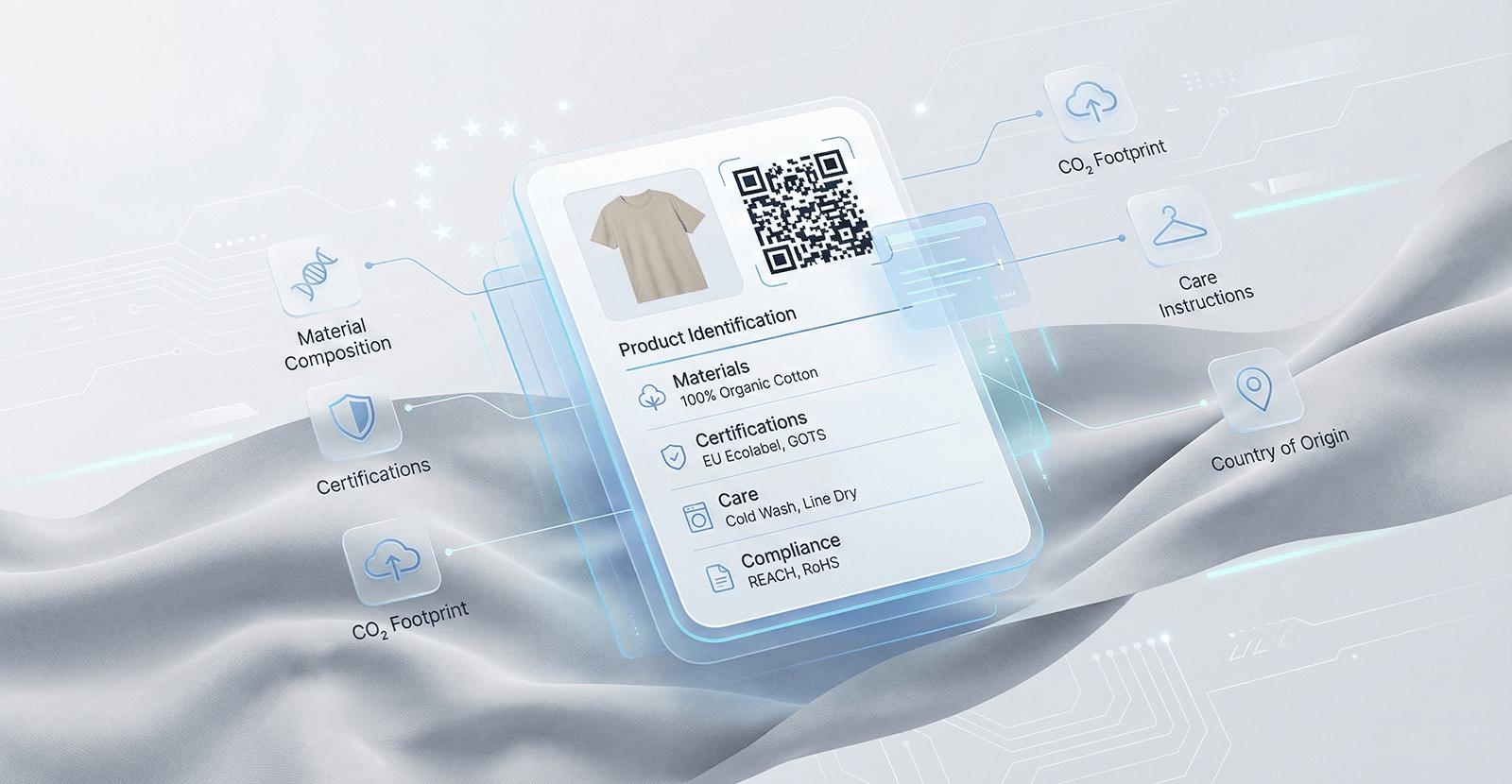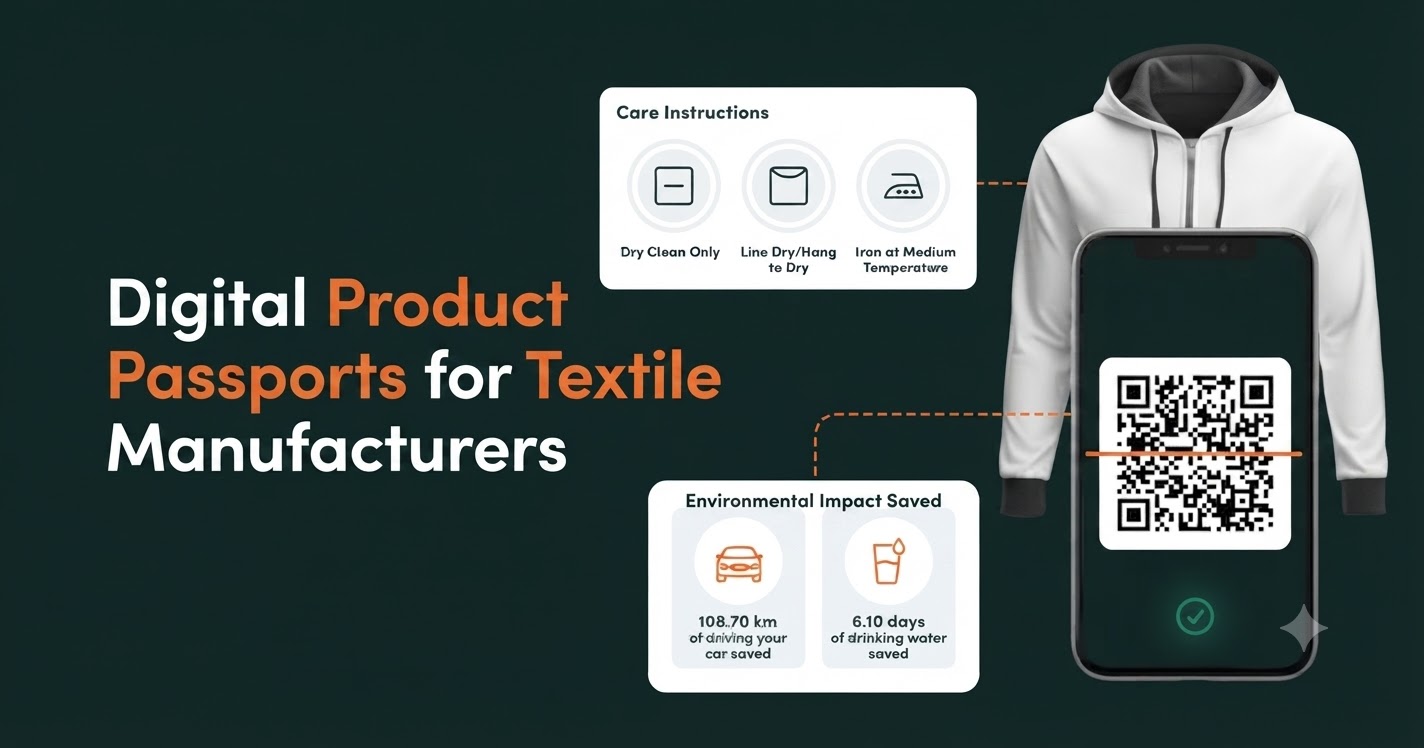

Textile exporters are under increasing pressure to prove the origin, composition, sustainability, and lifecycle information of the products they supply. EU buyers will increasingly expect structured product data rather than scattered certificates and manual documents.
Textile Digital Product Passport
Why textile exporters should prepare now
What a textile product passport may include
- Product identity: style, SKU, model, batch, order, size, color, and country of origin
- Material composition: cotton, polyester, viscose, wool, recycled fibers, blends, trims, and accessories
- Supply chain stages: spinning, weaving/knitting, dyeing, finishing, cutting, stitching, packing, and export
- Sustainability records: carbon, water, recycled content, chemical safety, and circularity information
- Compliance documents: certificates, audit reports, lab tests, buyer documentation, and declarations
- Lifecycle information: care, repair, reuse, recycling, and end-of-life guidance
How QUIVK helps
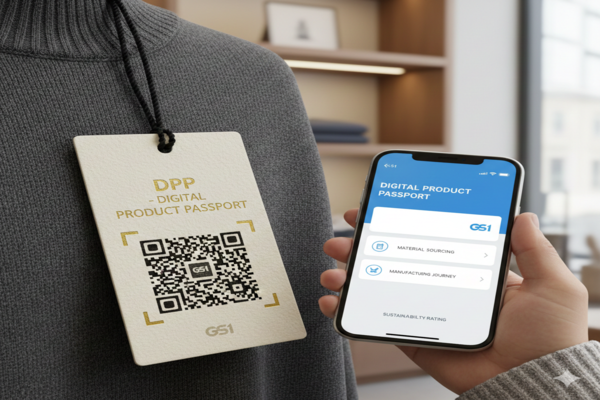
QUIVK provides the structure and implementation pathway for exporters to collect, organize, and share product passport information through QR-linked digital records. The goal is not just to store data; it is to make factory data usable for buyers, auditors, regulators, and future circularity systems.
Readiness path
- Step 1: Map product categories and export priorities
- Step 2: Identify existing data sources and missing fields
- Step 3: Structure product passport templates for textile products
- Step 4: Link physical products to digital records through QR/DataMatrix
- Step 5: Train teams and prepare for buyer-facing data requests