

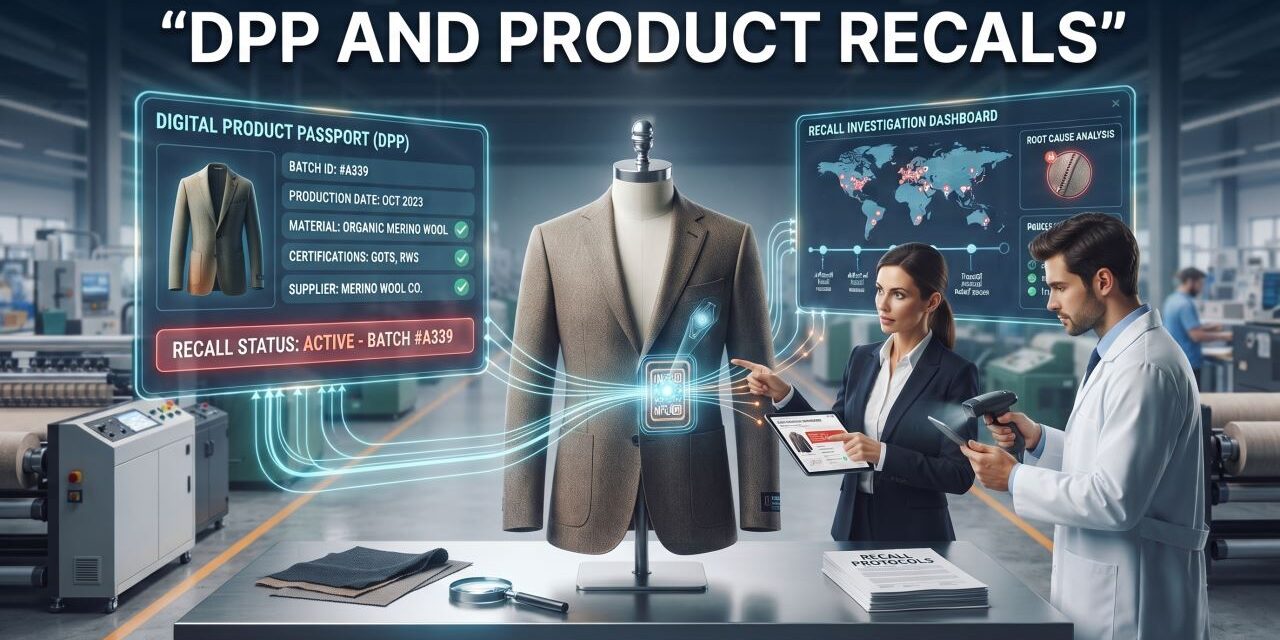
Why better product identity can improve the response when something goes wrong
Textile products do not face recalls as frequently as highly regulated industries such as pharmaceuticals or automotive.
But problems still occur.
Incorrect composition label.
Unsafe drawstring.
Restricted chemical issue.
Incorrect care information.
Defective accessory.
Product safety concern.
When something goes wrong, the company needs to identify which products are affected and communicate clearly.
Digital Product Passport can potentially make that process more precise.
Product identity defines the scope
Imagine a problem affects one specific production batch.
Without strong product identity, a company may have to treat the entire style as affected.
With good batch-level traceability, the organisation may be able to narrow the scope.
Which supplier?
Which material?
Which production order?
Which shipment?
Which buyer?
Product identity makes investigation faster.

Digital information can be corrected quickly
Some product-information issues may not require a physical recall.
For example, an additional care clarification might need to be communicated.
A digital passport can potentially allow approved product information to be updated without changing the physical code.
This does not remove legal obligations to correct physical labelling where required.
But it can provide an additional communication channel.
Historical information should remain visible internally
Corrections should not erase history.
If a passport contained incorrect information, authorised internal users should be able to see:
what changed
when
why
who approved the correction
This supports investigation and auditability.
ESPR requires DPP data authentication, reliability and integrity and restricts modification rights according to access permissions.
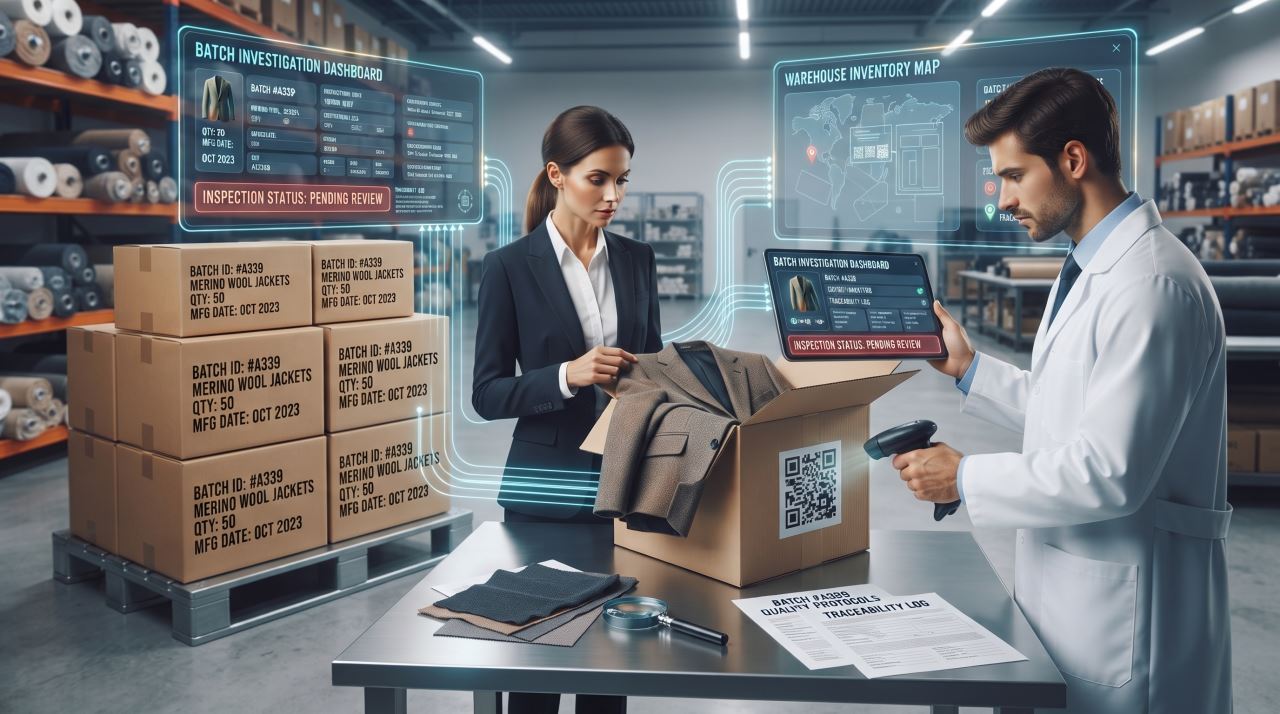
Consumers can receive product-specific guidance
If the product identity is sufficiently granular, users can potentially scan the product and receive relevant information.
For example:
This batch is unaffected.
Contact customer service.
Stop using this product.
Follow revised care guidance.
The actual communication process would depend on the nature of the issue and applicable consumer-safety requirements.
The value of DPP is the direct digital connection to the product.

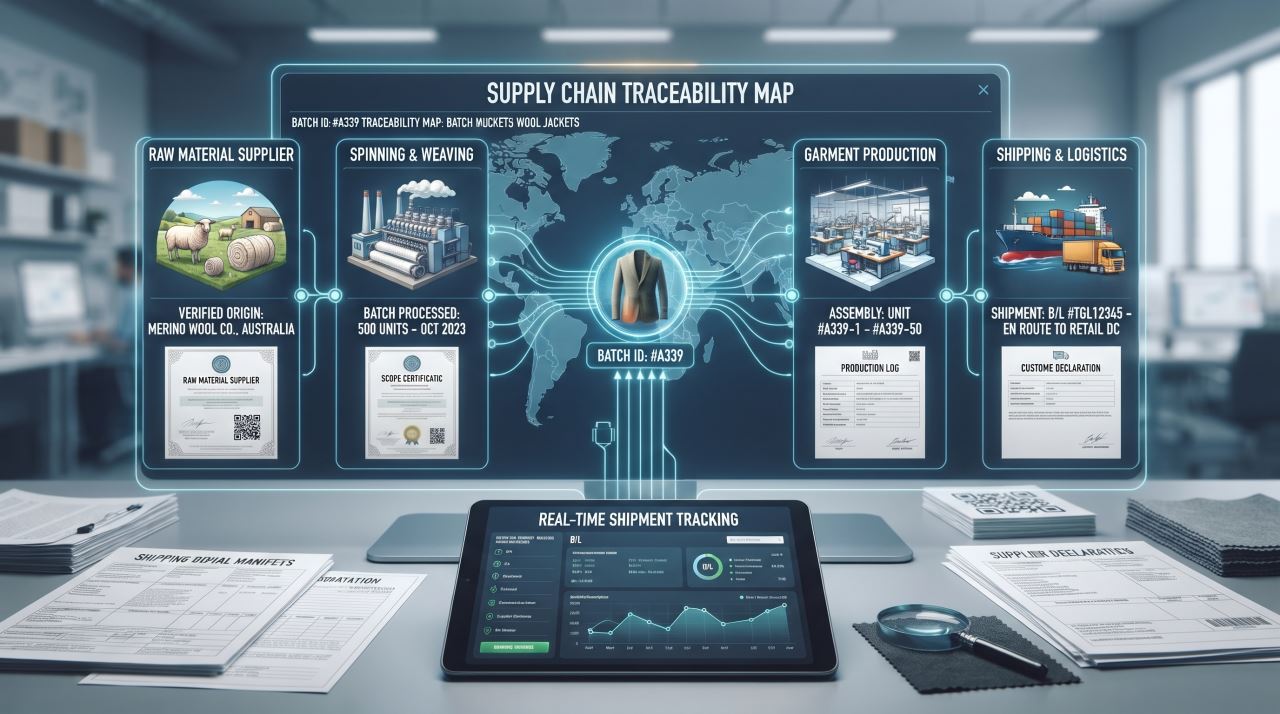
Traceability determines usefulness
A QR code cannot identify an affected batch if the underlying database does not know which unit belongs to which batch.
Again, the visible technology is only as useful as the data behind it.
Factories need accurate relationships between:
product
batch
materials
suppliers
production
shipments
That information can support both DPP and broader quality management.
Key Ideas
- Product problems can require rapid identification of affected goods.
• Batch or item-level identity can potentially narrow investigation scope.
• Digital product information can support approved corrections and customer communication.
• Corrections should preserve internal history.
• A product passport is only useful for recalls if the underlying traceability exists.
• DPP can complement—not replace—existing product-safety and recall procedures.
 Conclusion
Nobody implements DPP hoping for a recall.
But strong product information is most valuable when something goes wrong.
At QUIVK, we believe the same identity and traceability used for transparency can also strengthen quality response.
Know the product.
Know the batch.
Know the evidence.
Know who received it.
That is useful digital infrastructure.