Where Should the DPP QR Code Go on a Garment?

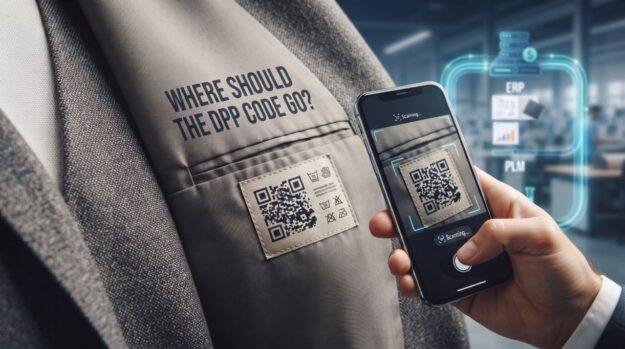
Why data-carrier placement, print quality and durability are operational decisions—not design details When companies first experiment with Digital Product Passports, they usually generate a QR code and place it somewhere convenient. On a hangtag. A sticker. A care label. A package. For a demonstration, almost any location may work. For a real DPP, placement deserves…

Details

ERP, PLM and DPP: Which System Should Hold Your Textile Product Data?

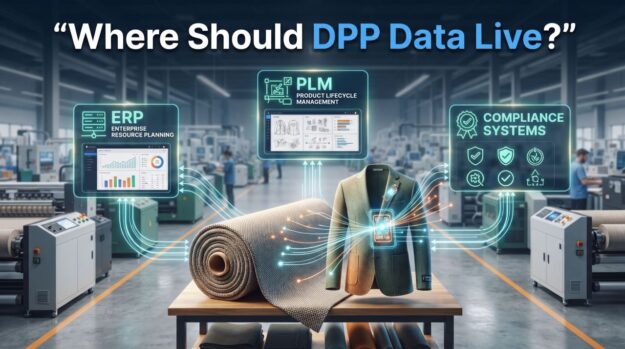
Why Digital Product Passport should connect existing factory systems instead of becoming another isolated database Most established textile companies already have several systems containing product information. ERP may hold item codes, orders and suppliers. PLM may hold specifications and bills of material. Quality teams may use separate systems for test results. Compliance teams may maintain…

Details

The Business Case for Textile DPP: Is It Only About Compliance?

Why better product data can create value even before regulation requires a passport Regulation is the main reason many companies are beginning to discuss Digital Product Passport. That makes sense. Compliance creates urgency. But if DPP is designed only as a regulatory cost, companies may miss much of its value. The work required for DPP—cleaner…

Details

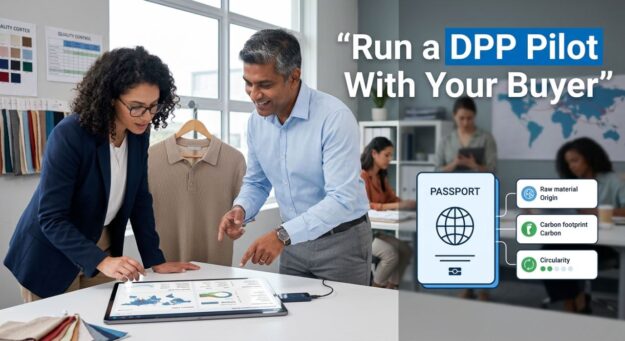
Running a DPP Pilot With Your EU Buyer: What Should You Actually Test?

A buyer pilot should test real collaboration, not just produce an attractive QR demo A textile factory can create a Digital Product Passport pilot internally. That is useful. But the project becomes much more valuable when a real buyer participates. The purpose should not be to impress the buyer with technology. It should be to…

Details

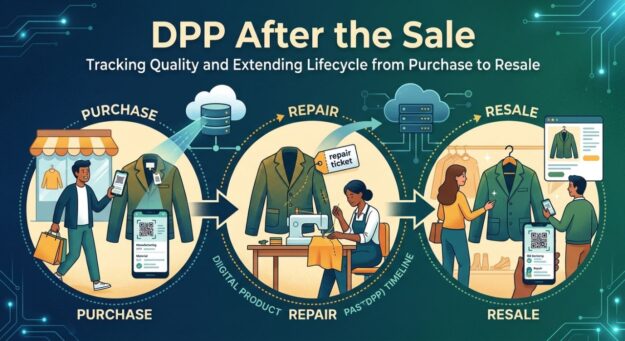
DPP After the Sale: How Digital Product Identity Can Support Repair, Resale and Returns

The product passport can remain useful long after a garment leaves the factory Most factory information systems are focused on one milestone: shipment. Once goods leave the warehouse, the manufacturing job appears complete. Digital Product Passport changes that perspective. A persistent product identity can remain useful during the product’s life. That creates opportunities beyond compliance.…

Details

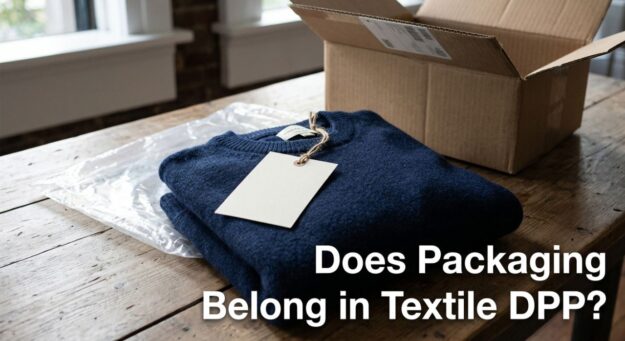
Does Packaging Belong in the Textile Digital Product Passport?

Why exporters should understand the boundary between product, components and packaging data A garment does not travel alone. It may be packed with: polybag hanger size sticker tissue paper cardboard carton tags protective inserts Packaging is an important sustainability topic in its own right. This creates a practical DPP question: How much packaging information belongs…

Details

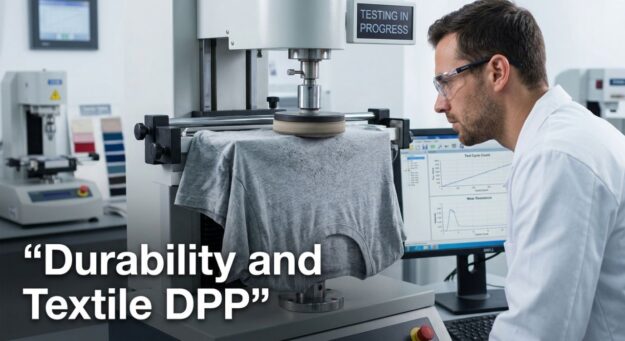
Durability Data: Can a Digital Product Passport Tell Us How Long a Garment Should Last?

Why product quality and sustainability may become more closely connected Textile sustainability discussions often focus on materials. Organic. Recycled. Bio-based. Lower-impact processing. These issues are important. But there is another straightforward sustainability question: How long will the product remain useful? A garment that lasts longer may need to be replaced less frequently. That makes durability…

Details

Product Changes After Approval: How Should a Textile DPP Stay Accurate?

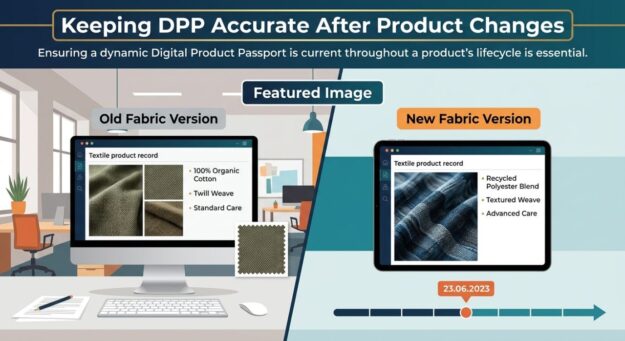
Why version control matters when fabrics, suppliers and specifications change A garment can be approved months before the final production run. Between development and shipment, many things can change. A supplier becomes unavailable. The buyer approves another fabric. A trim is replaced. A certificate expires. The care instruction changes. Production moves to another facility. The…

Details

Subcontracting and DPP: The Supply-Chain Gap Textile Exporters Cannot Ignore

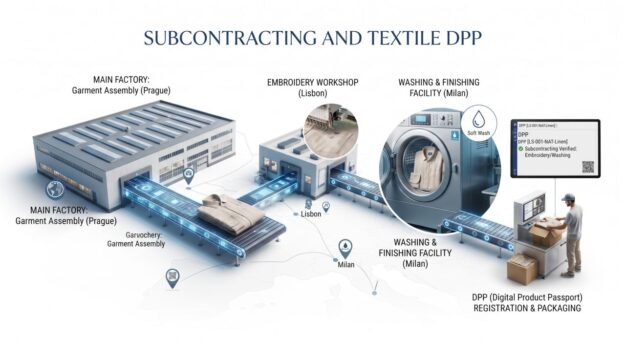
Why printing, washing, embroidery and outsourced processing need better visibility Textile supply chains are rarely limited to the main factory. A garment may leave the facility for printing, embroidery, washing, special finishing, dyeing, coating, packaging or another outsourced process. Operationally, subcontracting can be completely normal. From a traceability perspective, however, it creates another layer of…

Details