

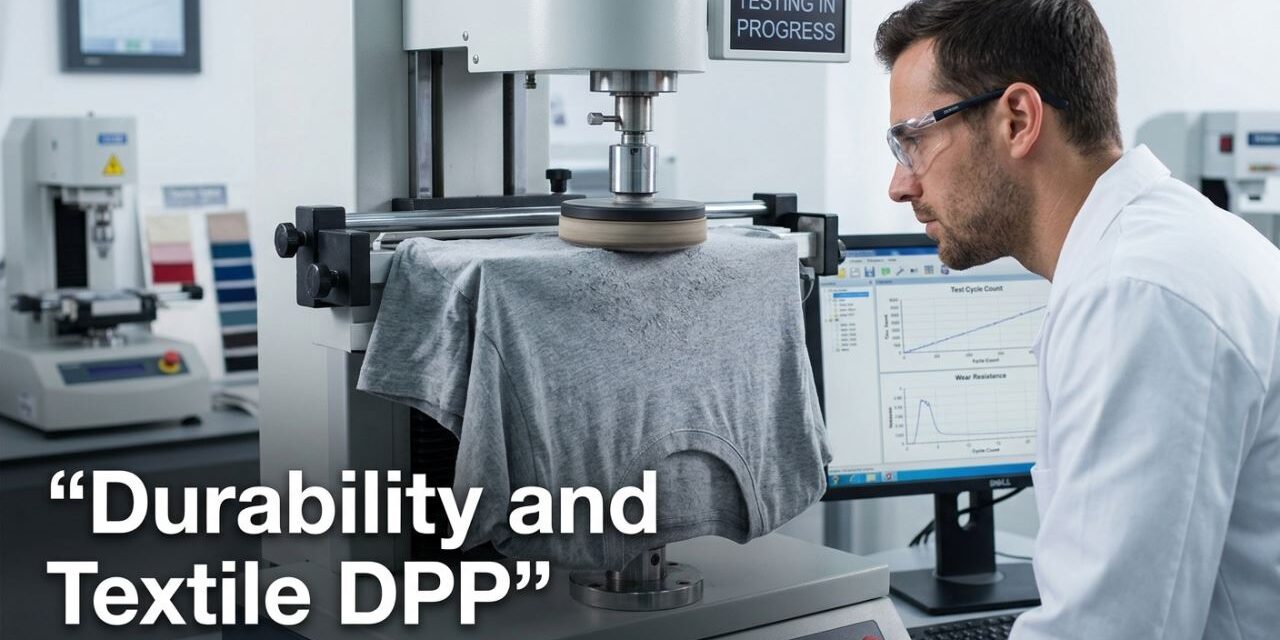
Why product quality and sustainability may become more closely connected
Textile sustainability discussions often focus on materials.
Organic.
Recycled.
Bio-based.
Lower-impact processing.
These issues are important.
But there is another straightforward sustainability question:
How long will the product remain useful?
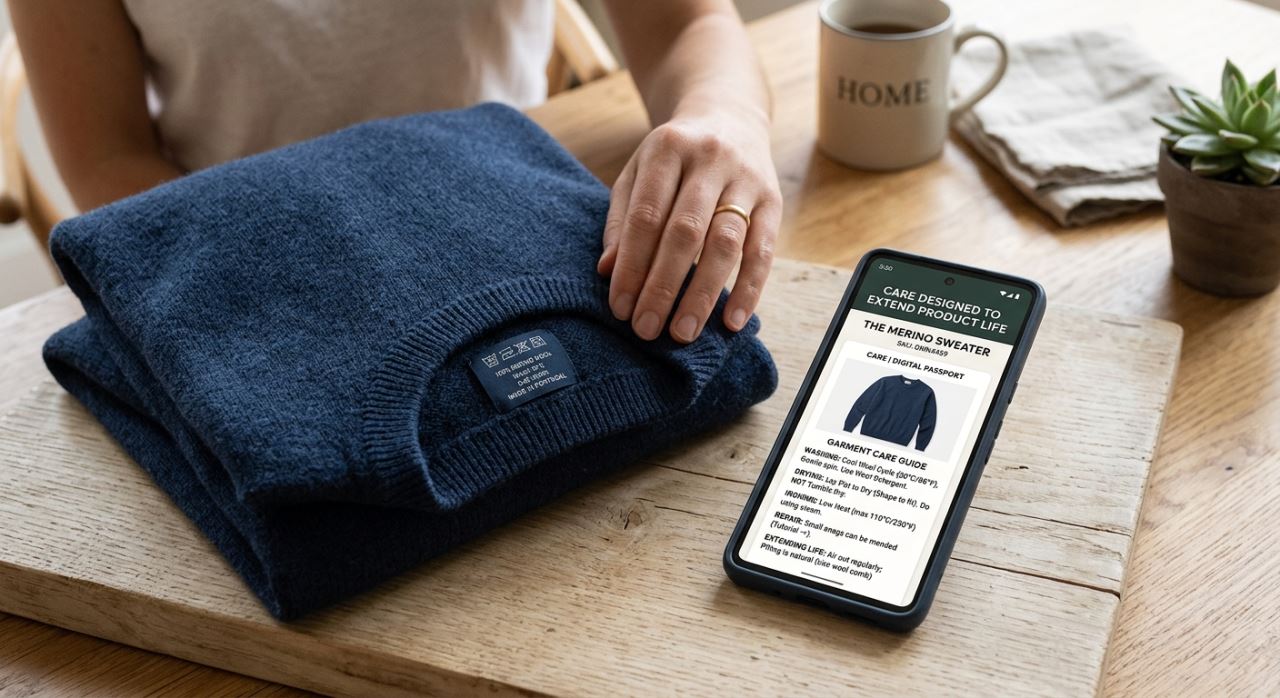
A garment that lasts longer may need to be replaced less frequently.
That makes durability relevant to circularity.
Textile factories already generate a great deal of information related to product durability.
For example:
color fastness
pilling
seam strength
tensile strength
tear strength
abrasion
dimensional stability
zipper performance
button attachment
These tests are normally used to meet buyer quality requirements.
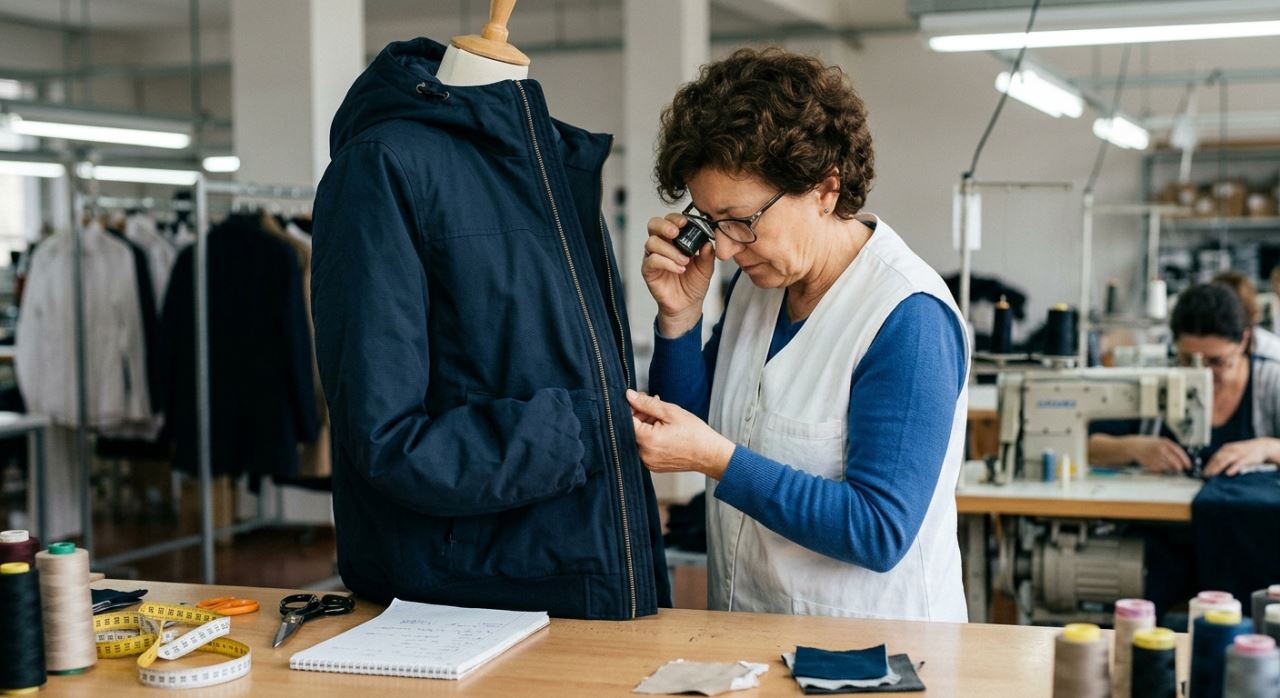
They can also help explain how a product is expected to perform during use.
The important point is that durability is product-specific.
A fashion blouse and an industrial work jacket should not be judged by the same expectation.
A hotel towel experiences a different use cycle from a formal shirt.
A children’s garment may be washed much more frequently.
Therefore, a universal “durability score” can oversimplify reality.
Useful durability information should consider product category, intended use, material, construction, care requirements and relevant performance tests.
Care also matters.
A good garment can fail early if cared for incorrectly.
Excessive washing temperature can damage fibers.
Incorrect drying can affect shape.
Poor storage can damage some materials.
A Digital Product Passport can connect product-performance information with appropriate care guidance.
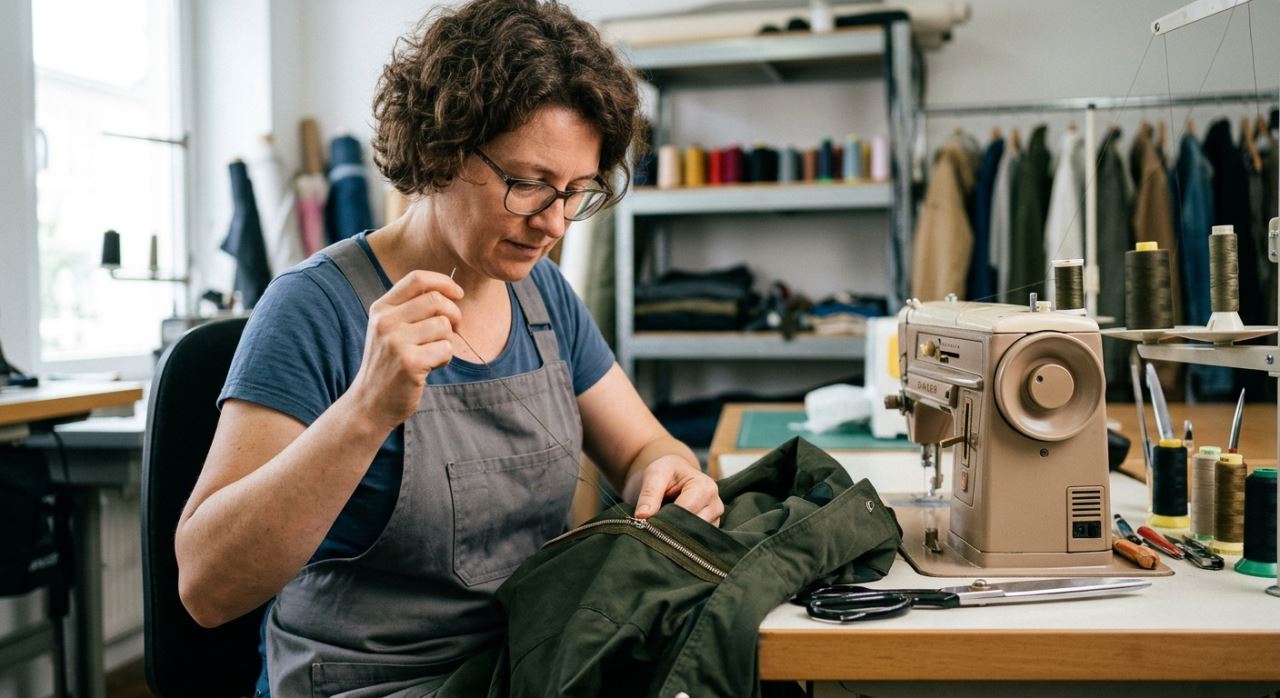
Reparability is also closely connected to durability.
A product does not necessarily reach end of life because the main fabric has failed.
A button falls off.
A zipper breaks.
A seam opens.
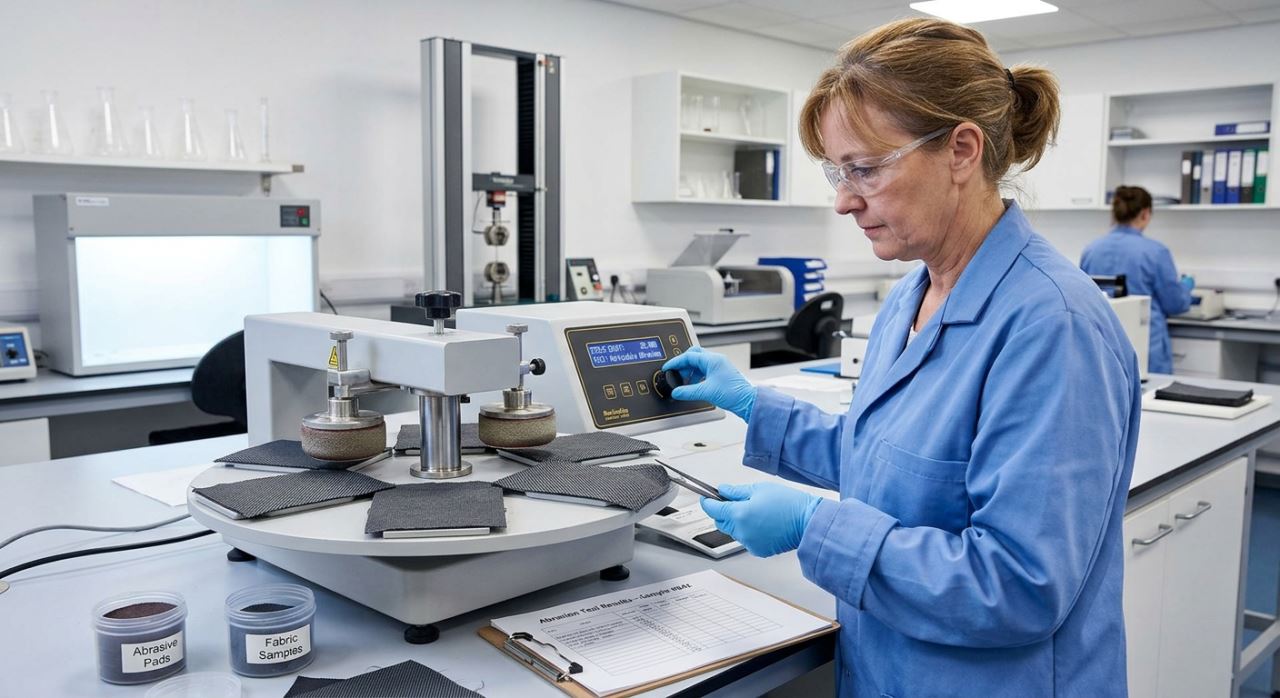
If these components can be repaired, product life can be extended significantly.
Factories should still avoid unsupported lifetime claims.
Statements such as:
“Lasts five years”
can be misleading unless supported by a clear methodology.
Actual product life depends on frequency of use, care, environment and consumer behaviour.
Factories should distinguish technical performance from assumptions about real-world lifetime.
This also creates a larger role for quality teams.
DPP should not belong only to sustainability teams.
Quality and technical departments already understand product testing, construction and failure modes.
Their knowledge can make product-lifecycle information much more credible.
Key Ideas
- Durability is part of the broader circularity conversation.
• Textile factories already perform many tests related to product performance.
• Durability should be interpreted in the context of product category and intended use.
• Care guidance can help preserve product life.
• Reparability can extend use after component failure.
• Factories should avoid unsupported lifetime claims.
• Quality teams can contribute valuable DPP information.
 Conclusion
Sustainability is not only about what a garment is made from.
It is also about how well it performs.
At QUIVK, we believe DPP can help connect traditional textile quality with modern circularity goals.
A stronger product is often a more sustainable product.
And factories already hold much of the knowledge needed to explain why.






