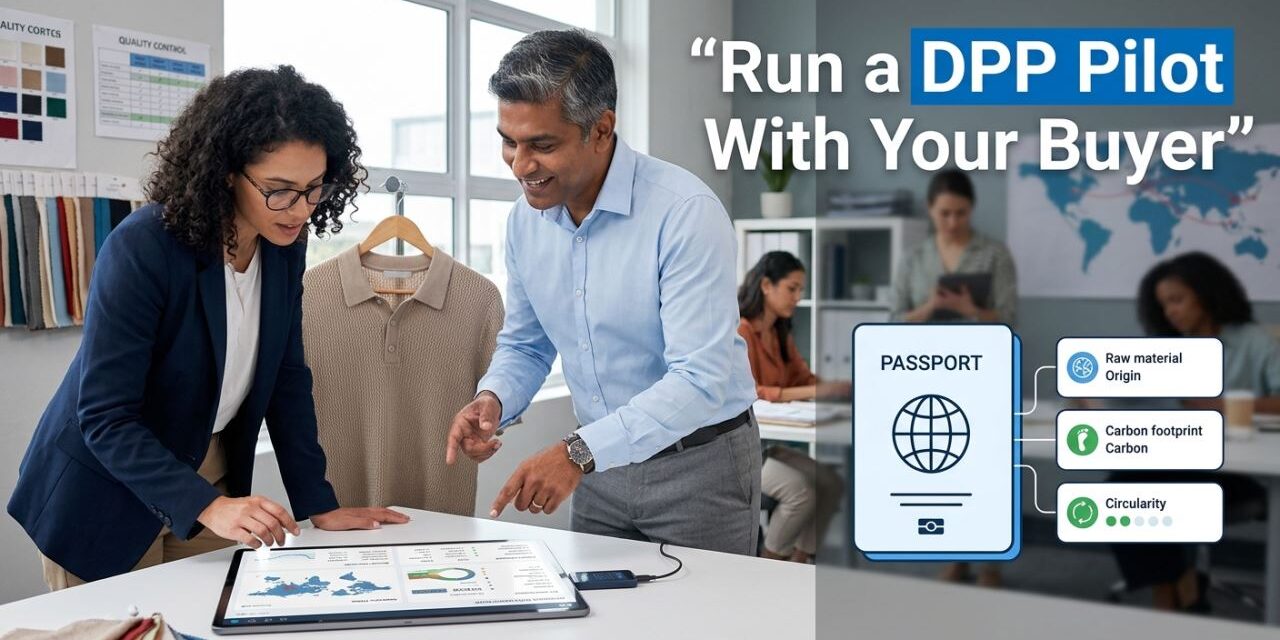
A buyer pilot should test real collaboration, not just produce an attractive QR demo
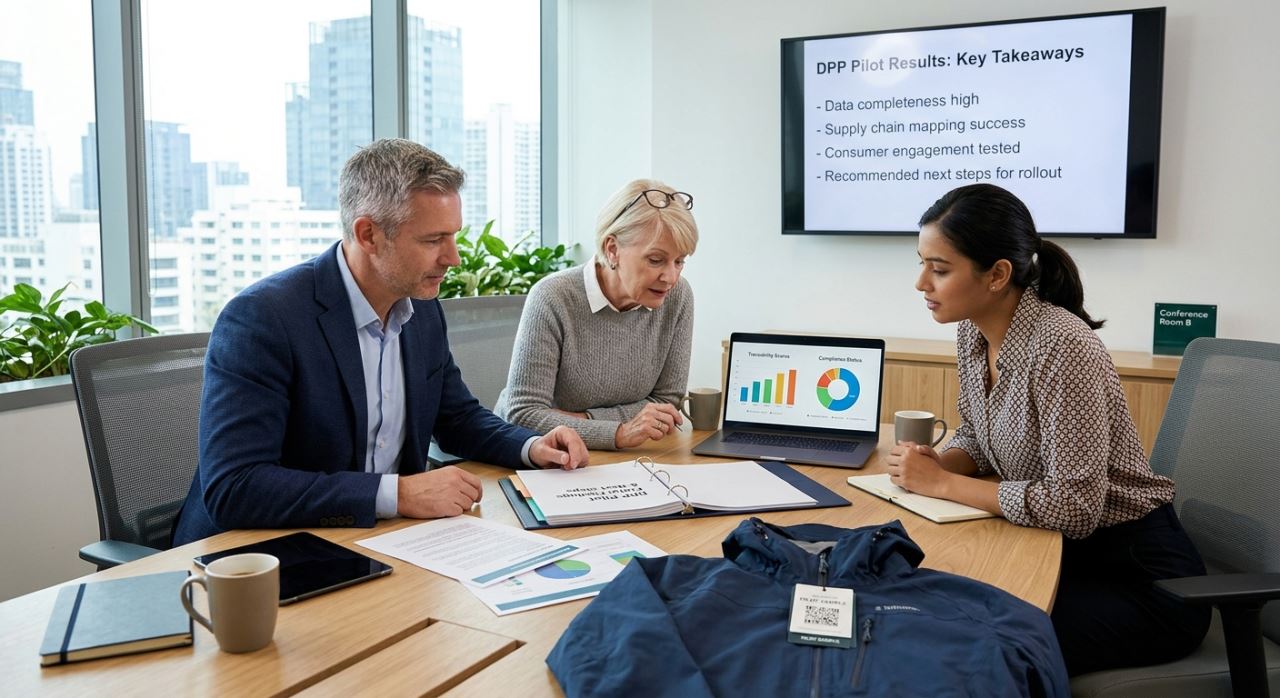
A textile factory can create a Digital Product Passport pilot internally.
That is useful.
But the project becomes much more valuable when a real buyer participates.
The purpose should not be to impress the buyer with technology.
It should be to answer practical questions.
Which data does the buyer need?
Which information already exists?
Who owns it?
How should it be exchanged?
Which information should be public?
What is difficult for the supplier to provide?
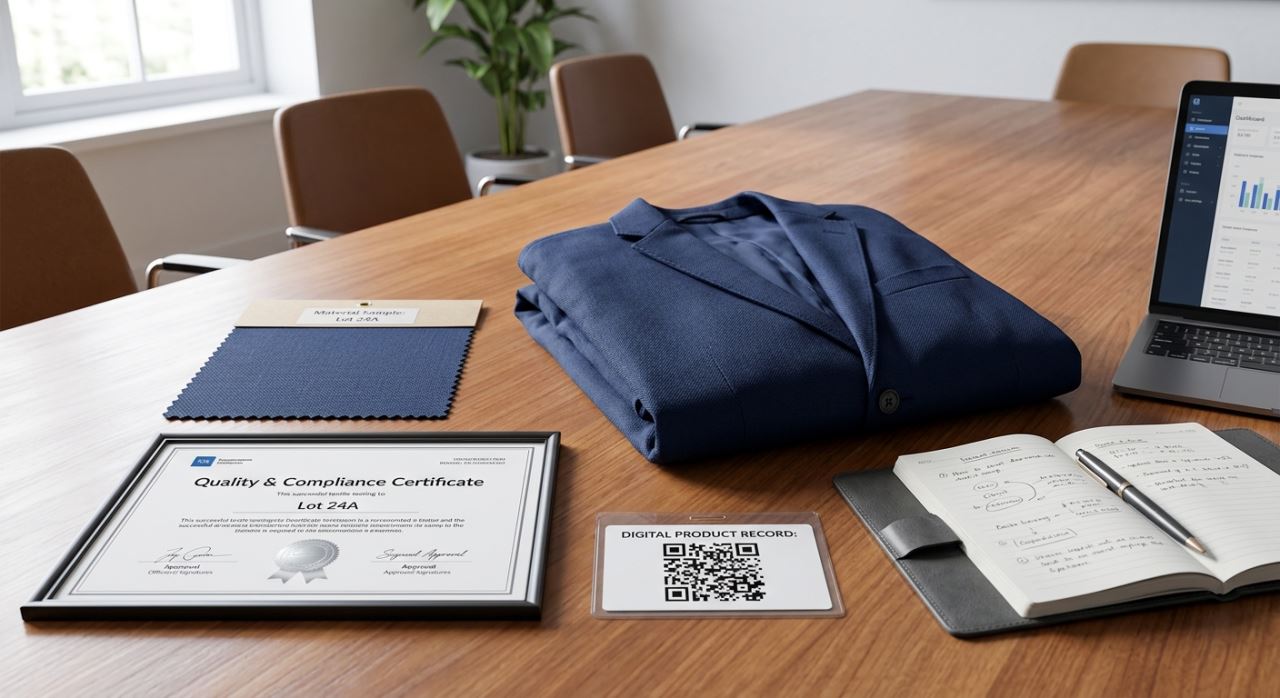
A good buyer pilot is a joint learning exercise.
The first step is choosing the right product.
Do not begin with the most complicated style.
Choose a product that is commercially relevant, currently produced, well documented, connected to known suppliers and representative of normal operations.
The product should be real enough to expose problems.
But manageable enough to finish.
Buyer and supplier should also agree what the pilot is actually testing.
For example:
product-data completeness
supplier provenance
GS1 identification
QR access
role-based data
certificate management
batch-level traceability
integration
Without a defined objective, the pilot can become a collection of random technology features.
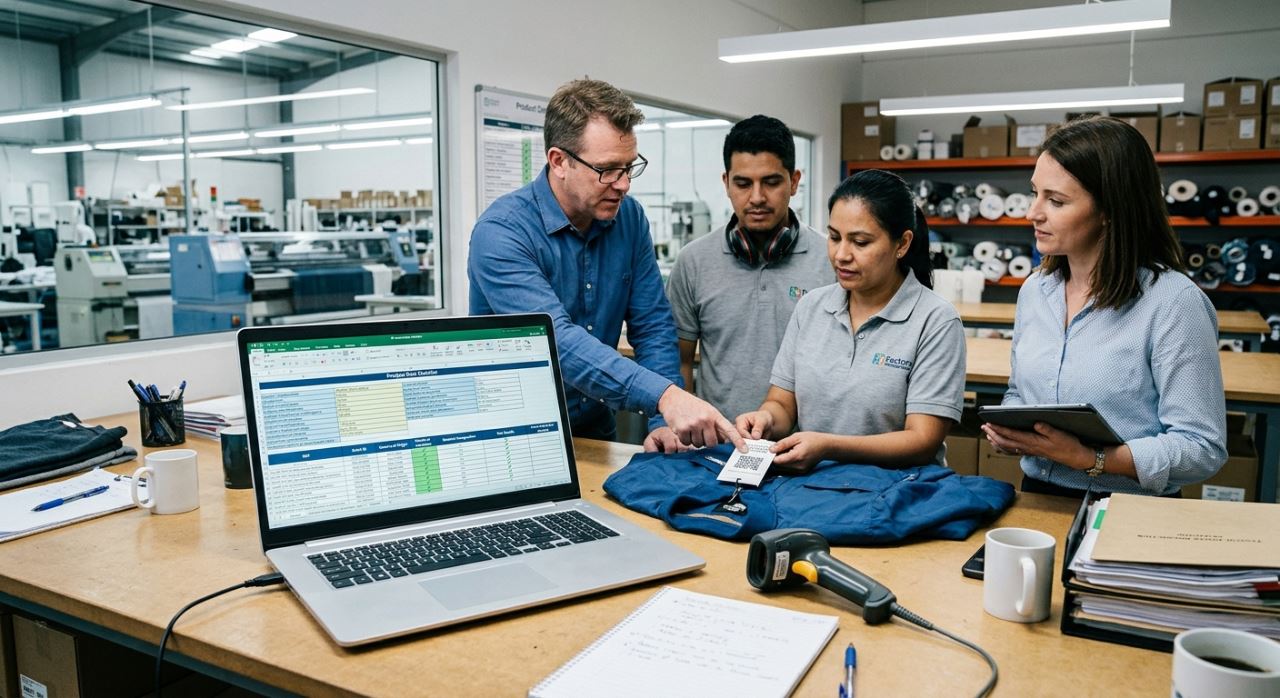
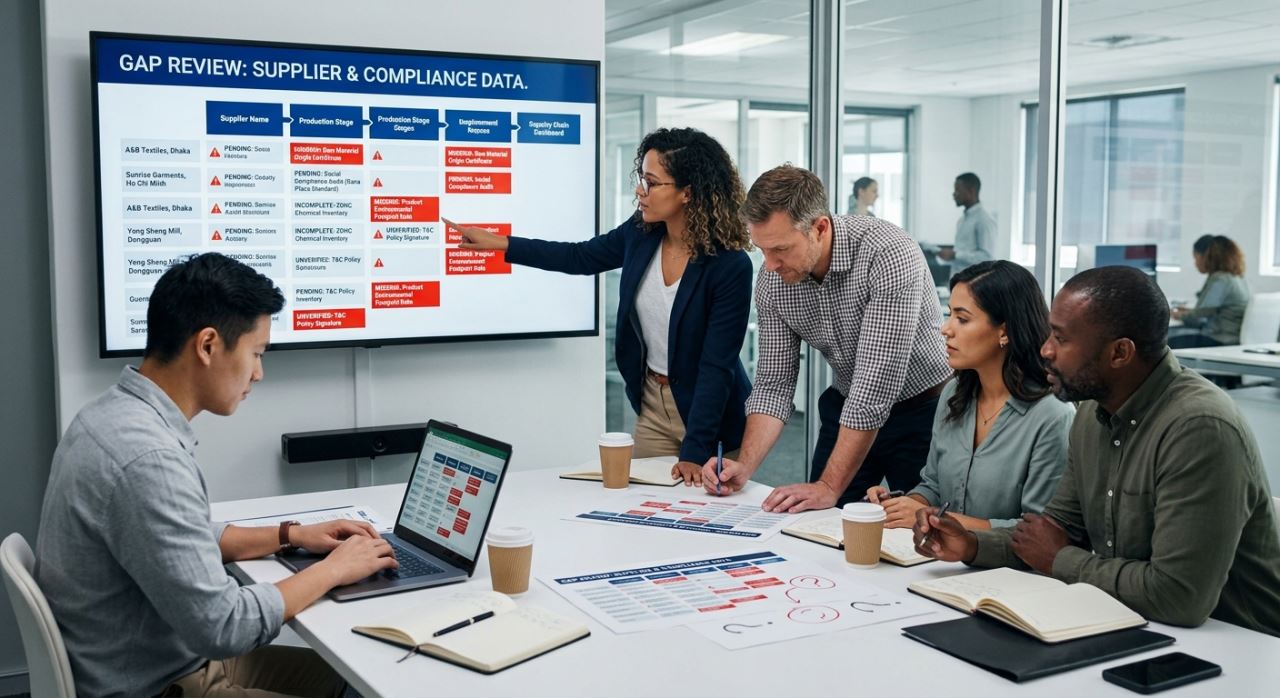
A shared data matrix can help.
Create a simple table containing:
Field
Source
Factory owner
Buyer requirement
Evidence
Access level
Status
This gives buyer and supplier a common language.
Instead of saying:
“We are 80% DPP ready,”
the team can see exactly which information exists and which information is missing.
The pilot should also test difficult information.
Product name is easy.
Color is easy.
The useful questions are:
Which facility processed the fabric?
What supports the recycled-content claim?
What happens when the certificate expires?
How is a supplier change handled?
Can the buyer retrieve structured data?
These questions reveal the real gaps.
Because final textile requirements are still evolving, pilot assumptions should be written down clearly.
For example:
Pilot uses batch-level identity for testing.
Final regulatory identification level not yet confirmed.
Pilot includes selected supplier information.
Final mandatory textile dataset not yet confirmed.
This prevents a pilot from being presented incorrectly as final legal compliance.
Finally, end with lessons.
What data was easy?
What was difficult?
Which suppliers caused delays?
Which evidence was missing?
What needs integration?
How much manual work was required?
What should change before scale?
That is what turns a demo into an implementation roadmap.
Key Ideas
- A buyer pilot should test real operational collaboration.
• Choose a commercially relevant but manageable product.
• Define the pilot objective before selecting features.
• A shared data matrix creates clarity between buyer and supplier.
• Test difficult provenance and evidence questions, not only basic fields.
• Document assumptions while textile rules continue to develop.
• Finish with lessons and scale-up actions.
Conclusion
The most valuable DPP pilot is not the one with the best-looking QR page.
It is the one that teaches both buyer and supplier how product information will actually move.
At QUIVK, we believe a buyer pilot should produce three things:
A real passport.
A real list of gaps.
A real implementation plan.
That is useful progress.