

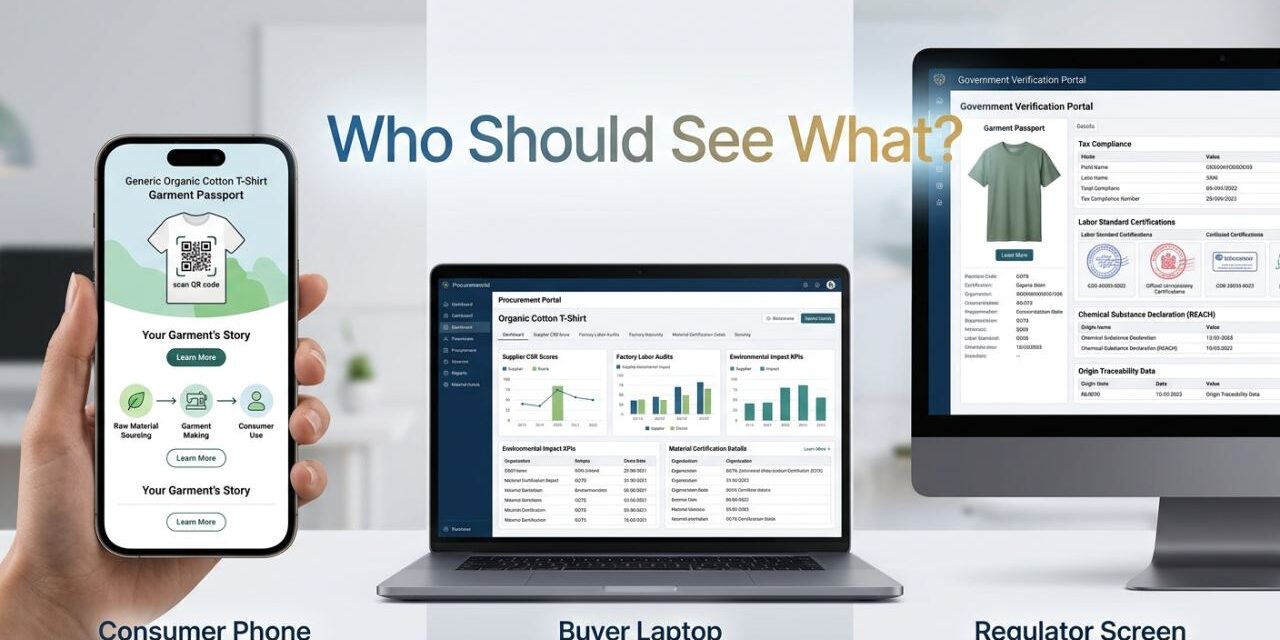
Why Digital Product Passport transparency does not mean making every factory record public
One concern appears frequently when companies discuss Digital Product Passports:
Will all our supply-chain data become public?
The answer is more nuanced.
A DPP is designed to improve access to product information.
But access does not necessarily mean identical access for everyone.
Under ESPR, customers, manufacturers, importers, distributors, repairers, recyclers, market-surveillance authorities, customs authorities and other relevant actors can receive access according to rights defined for the relevant product group.
This makes access design a fundamental part of DPP implementation.
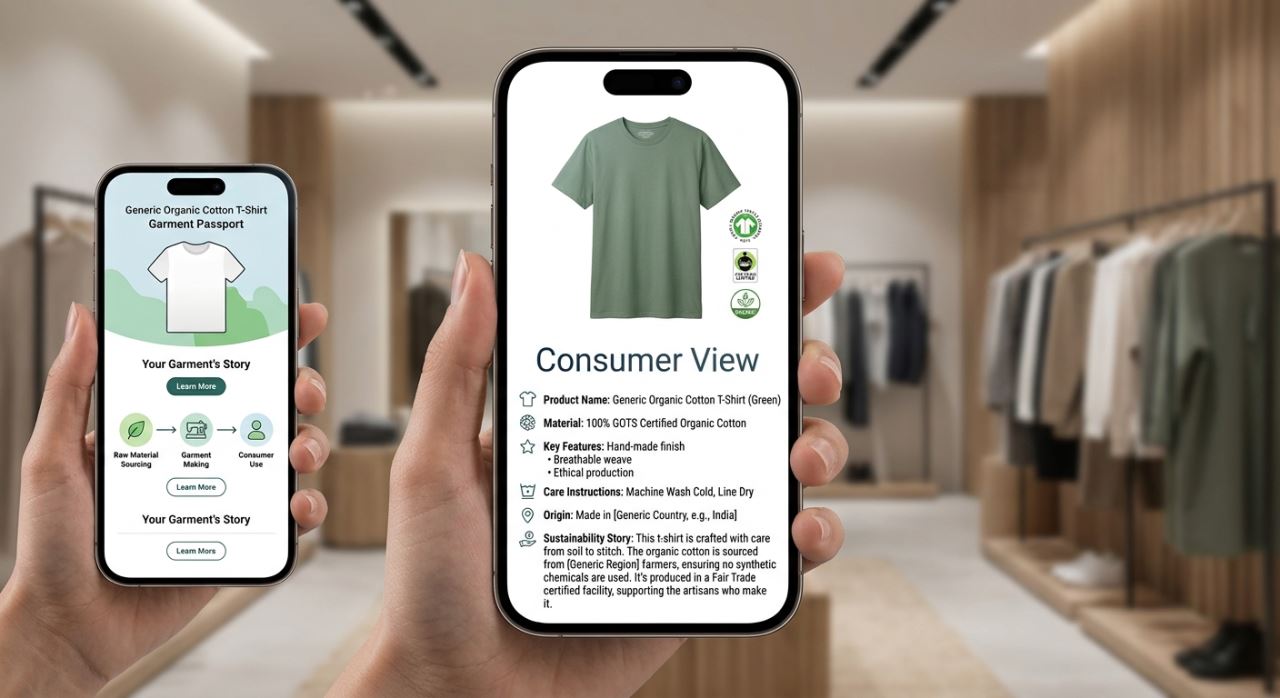
Consumers need useful information
Consumers may reasonably need information such as:
material composition
care guidance
repair guidance
product origin information where required
recycling guidance
relevant sustainability information
The public interface should be simple.
A customer scanning a T-shirt should not need to navigate internal factory codes and technical compliance files.
Good transparency is understandable.
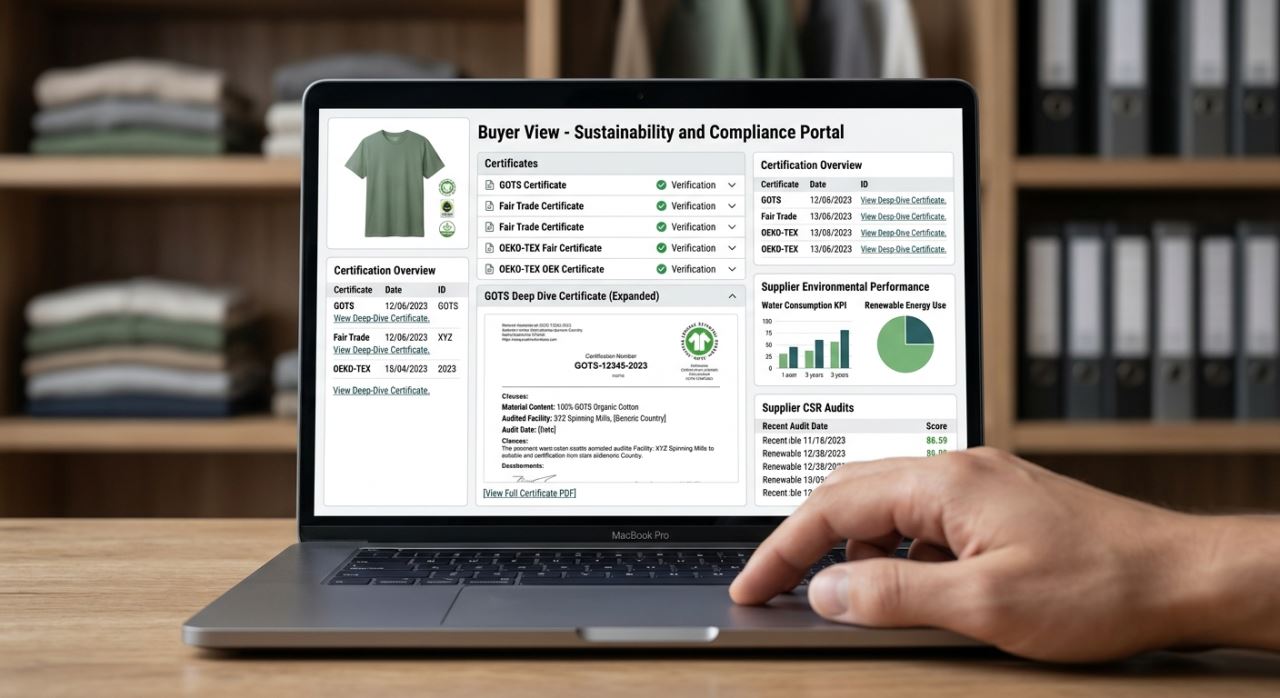
Buyers may need deeper evidence
An authorized buyer may need much more.
Supplier or facility information.
Certificate details.
Material evidence.
Test reports.
Product specifications.
Traceability data.
A DPP can potentially provide deeper access without making the same information public.
This can also reduce repeated email exchanges between exporter and buyer.
Authorities have different needs
Regulators and customs authorities may require information necessary to perform legal duties.
ESPR specifically includes customs and market-surveillance authorities among relevant DPP actors, and the framework links the DPP registry with future customs controls for covered products.
This means factories should think about data reliability differently from marketing content.
A field visible to authorities needs strong governance.
Suppliers also deserve protection
Factories may hold commercially sensitive supplier information.
Prices.
Recipes.
Special processing techniques.
Commercial agreements.
Private contact information.
The objective of DPP should not be uncontrolled disclosure.
Companies should classify their data.
For example:
Public
Buyer restricted
Authority restricted
Internal only
This classification should be defined before information is loaded into the platform.
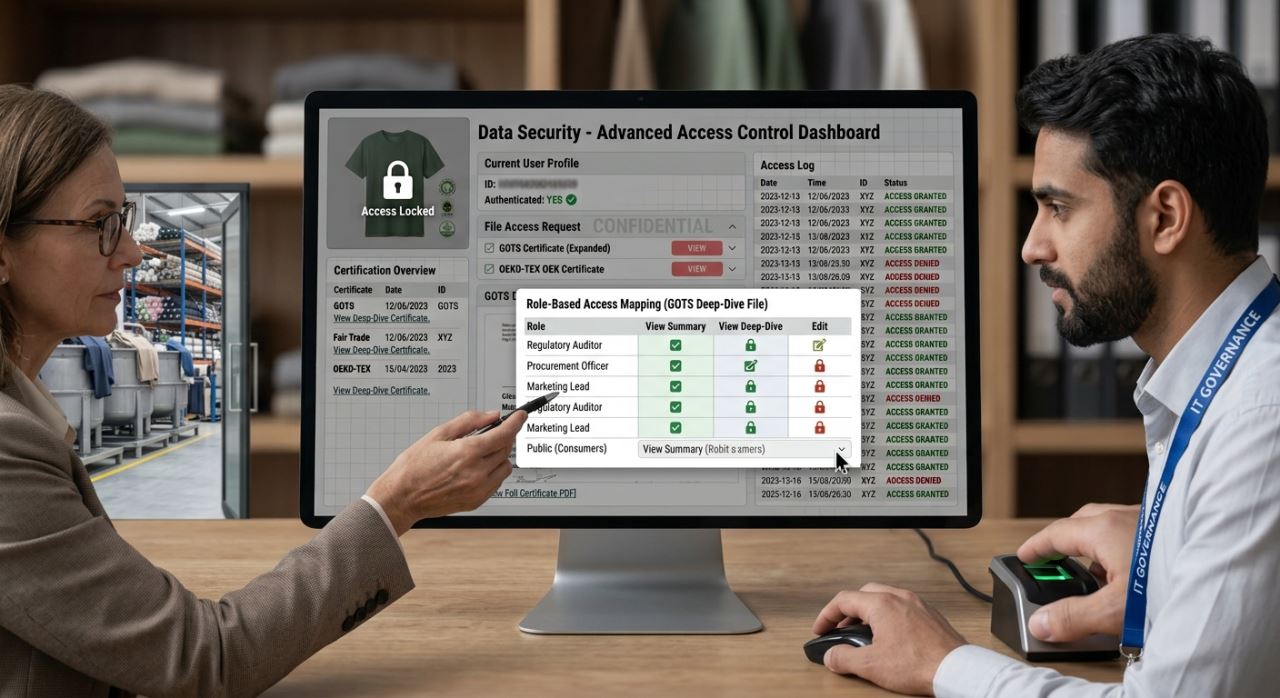
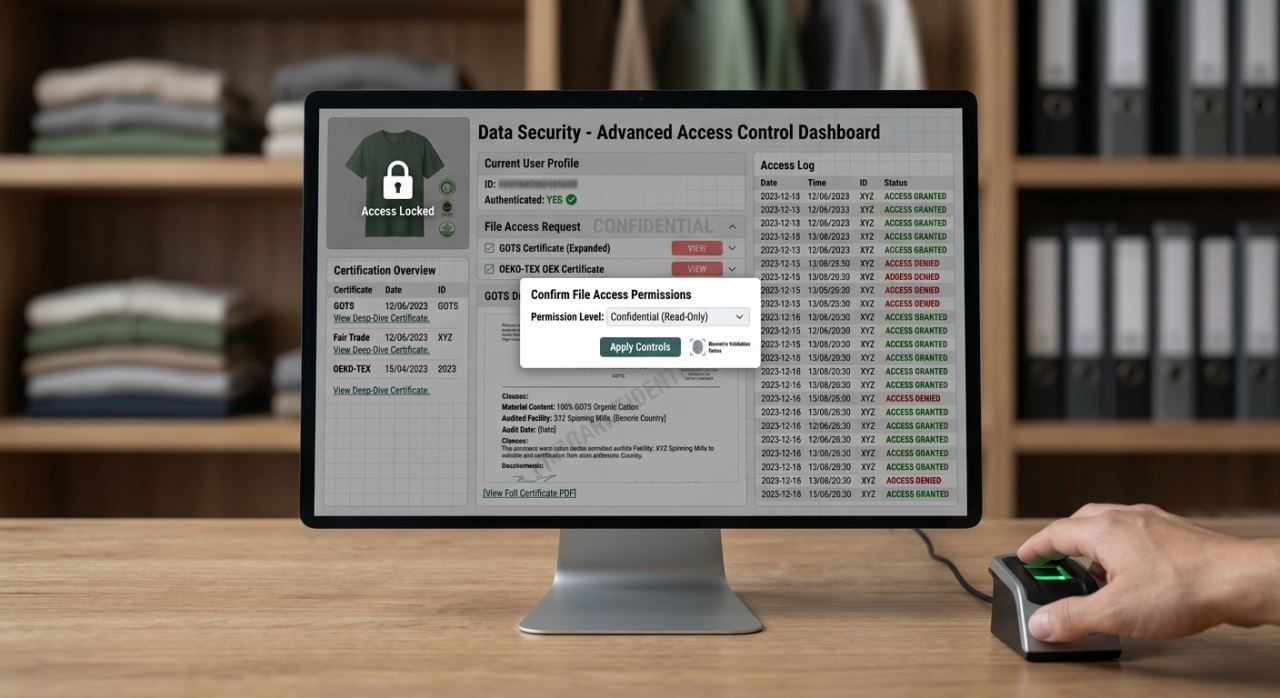
Access rights need governance
Technology can enforce permissions.
But management must decide them.
Who approves a supplier name for buyer access?
Can merchandising publish public claims?
Can sustainability teams modify environmental information?
Can IT edit compliance fields?
Who can remove a certificate?
Who can change product identity?
These questions should be documented.
Privacy also matters
DPP is about products.
Not unnecessary personal information.
ESPR provides that customer personal data should not be stored in the DPP without explicit consent.
Factories should therefore avoid mixing consumer or employee personal data into product records unless there is a legitimate and lawful reason.
 Key Ideas
- DPP transparency does not mean every user sees every piece of data.
• Consumers need understandable product information.
• Buyers may require deeper commercial and compliance evidence.
• Authorities may need specific regulatory information.
• Commercially sensitive information should be protected.
• Data should be classified by access level before publication.
• Editing rights are as important as viewing rights.
Conclusion
Good transparency is controlled transparency.
A DPP should make useful information easier to access while protecting information that does not belong in the public domain.
At QUIVK, we believe access design should begin early.
Do not first upload everything and decide later who should see it.
Classify the data.
Assign ownership.
Define permissions.
Then build the passport.






